
About Us
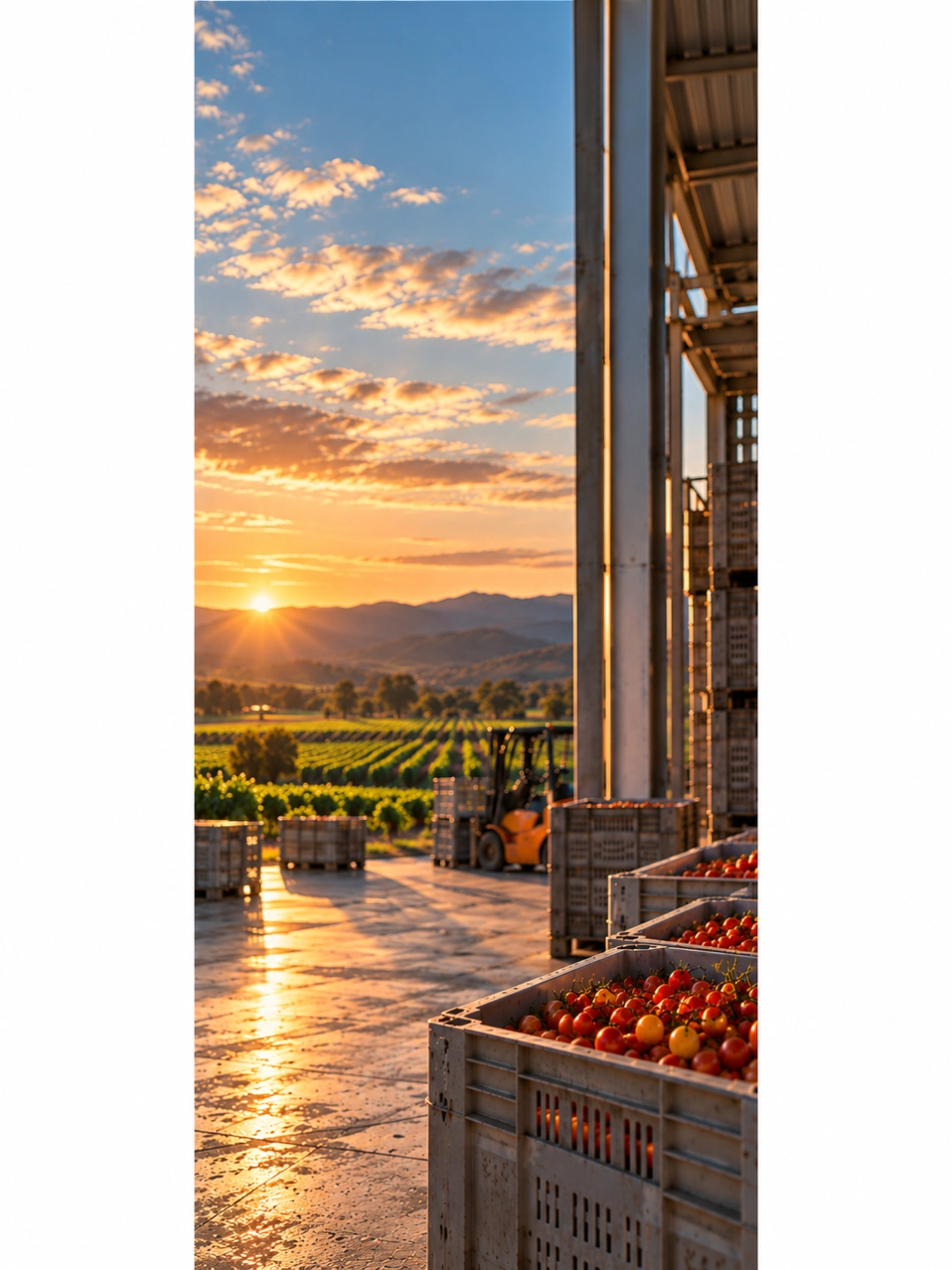
Who we are
Hi, we're Flotra.
We’re two people who like finding better ways of doing things.
Flotra came from a pretty simple idea: business problems don't always need big, complicated solutions.
Sometimes it's a spreadsheet that's become impossible to manage. Sometimes it's paperwork that gets entered three times. Sometimes information is sitting in five different places and nobody really knows which one is correct.
And sometimes you just think:
“Surely there has to be an easier way of doing this?”
That's where we come in.
We look at how businesses actually work, find the things that are slowing them down, and work out practical ways to make them simpler. Sometimes that means building a customised app. Sometimes it's automating a repetitive task. Sometimes it's changing the way a process works.
And sometimes the best solution isn't something we build at all.
We're perfectly happy telling you that too.
Meet Silke
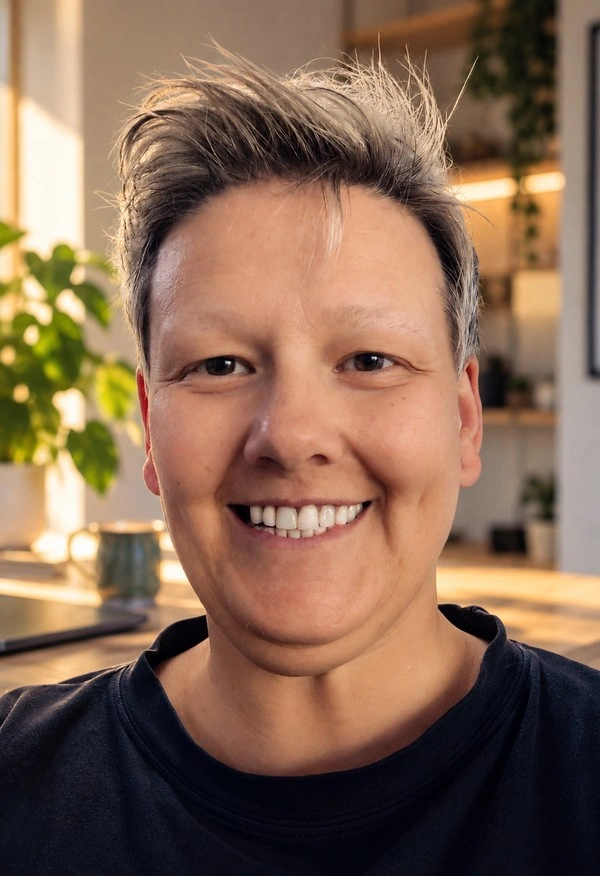
The person who can't leave a clunky process alone.
I've always been the sort of person who looks at something and thinks, “Why are we doing it like this?”
My background has taken me through a pretty mixed bag of industries and businesses, but one thing has stayed the same: I like solving problems.
I've spent a lot of time working with businesses where information, systems and processes don't quite work together - and I've ended up building things to make them work better.
I've created apps for people working out in the field, built databases and reporting systems, turned spreadsheets into something considerably more useful, connected different pieces of software and generally spent far too much time thinking about how we could make someone's job easier. 😂
A big part of what I bring to Flotra comes from actually understanding the work behind the systems. In farming, I've worked through different stages of the operation, from the practical day-to-day work right through to systems, technology, reporting and management.
That experience has taught me that something can make perfect sense technically and still be bloody frustrating for the person who actually has to use it. I understand those practical inconveniences - the things that might not be obvious if you've only ever looked at a process from behind a computer.
For me, good technology isn't just about making something work. It has to work for the people using it.
What I enjoy most isn't technology for the sake of technology.
It's the moment when someone looks at something we've created and says:
“Oh... that's so much easier.”
That's the bit I like.
I’m probably more comfortable behind the scenes figuring things out than standing in front of a room selling you something, which is one of the reasons Flotra feels like such a natural fit.
I like getting stuck into things, figuring out how they work, pulling them apart when they don't, and putting them back together in a way that makes more sense.
And apparently, that's now a business. 😂
Meet Madeline
The other half of Flotra — and the one who keeps things interesting.
I'm the other half of Flotra and, apparently, the person who thought starting a business together was a good idea. 😂
The one who likes to look at the bigger picture.
I think the way I look at things has been shaped quite a lot by where I started.
My background began at the practical end of agriculture — out in the field, working alongside an agricultural team, testing, observing and experiencing first-hand what it takes to keep things moving day to day.
From there, I moved into the operational side of agriculture, where I was running packing lines and working directly with automated and AI grading systems. I was right there operating the technology, adjusting it, seeing where it worked well and, just as importantly, where the reality of using it didn’t always match what you might expect on paper.
That was probably one of the first times I became really interested in the relationship between people, technology and the operation around them.
Eventually, I found myself stepping further behind the operation and into the systems and technology supporting everything happening on the ground. I began working with raw data coming directly from the field and seeing how that information could be turned into something genuinely useful — through reporting, automation and systems that help connect what’s happening on the ground with the people making decisions behind the scenes.
It gave me another perspective entirely. I started to see that good systems aren’t just about collecting more data or adding more technology. It’s about what happens to that information next — how it flows, how it’s understood, and whether it actually helps someone make a better decision or do their job more effectively.
Each of those experiences has given me a different lens to look through.
I don’t think that means I have all the answers — quite the opposite. It’s probably why I ask so many questions.
I’m curious about how things connect, why we do things the way we do, and whether looking at something through a different lens might lead somewhere better.
That curiosity is also what draws me towards technology and, particularly, where it’s heading.
I have a real interest in future technologies and how new systems can be thoughtfully integrated into businesses. Not technology for the sake of having the newest thing, but understanding what it could genuinely improve, where it belongs and what needs to be built underneath it first.
I’m excited by what technology can do, but I also believe how we choose to use it matters. Just because something can be automated doesn’t always mean it should be. The people using a system, the information behind it and the wider impact of what we build should still be part of the conversation.
For me, progress and responsibility should be able to exist in the same place.
I’m still learning, and I hope I always am. There will always be something new to understand, another perspective I haven’t considered, or a different way of approaching a problem.
And I think that’s what keeps me interested.
I want to understand where things are going, while staying grounded in who and what we’re building them for.
That’s the perspective I bring to Flotra.
Our mission statement
Make things work better.
That’s really what Flotra is about.
We want to help businesses spend less time fighting spreadsheets, paperwork, disconnected systems and processes that have somehow become far more complicated than they need to be.
We find the problem, work out what makes sense, and help put a better way in place.